
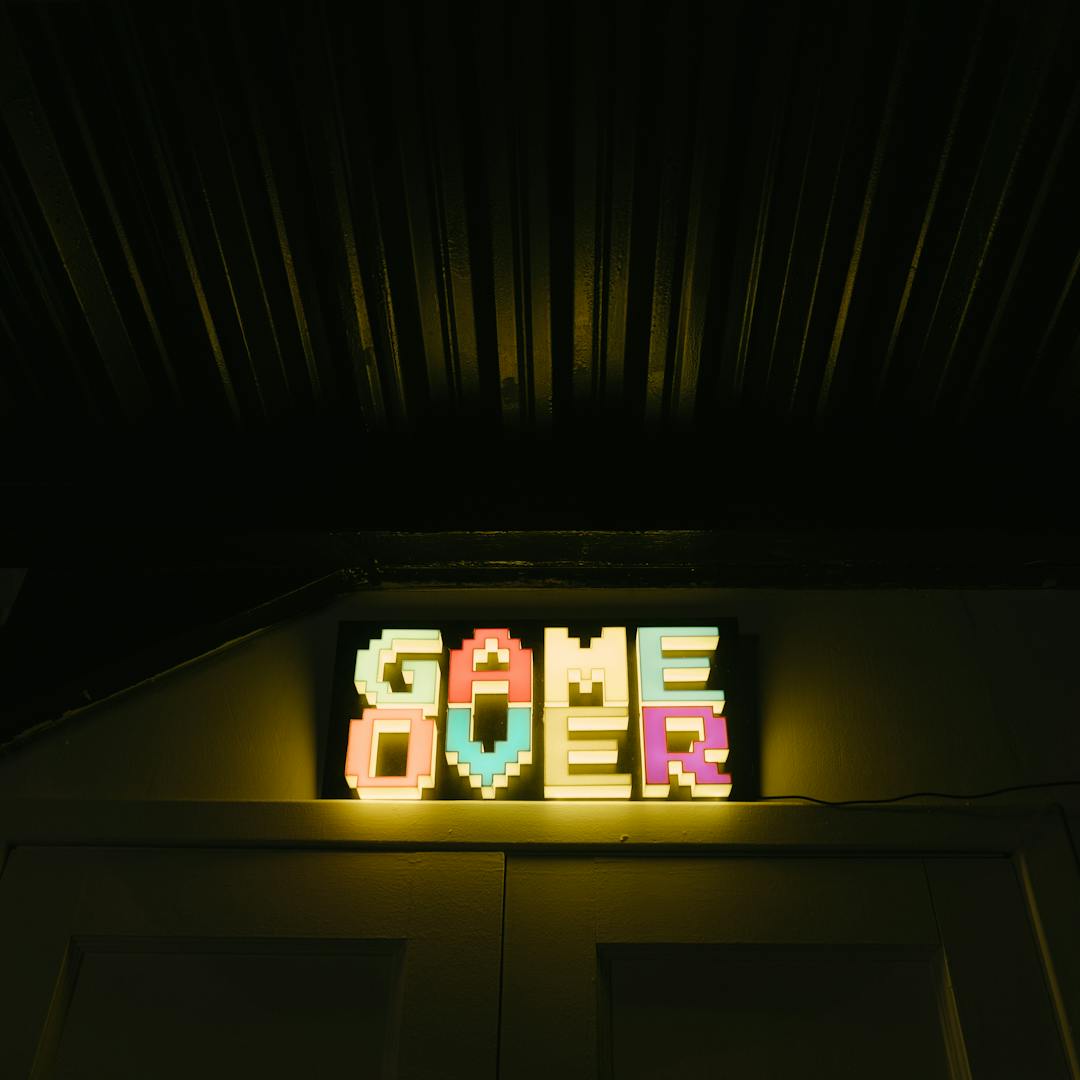
Pixel art was once the only option. The hardware decided how many colours could exist on a row, how many sprites could share the screen, how tall a character could be before flicker took over. Out of those constraints came a visual language that has outlasted the machines that imposed it - and is now, in 2026, more deliberate and more popular than ever.
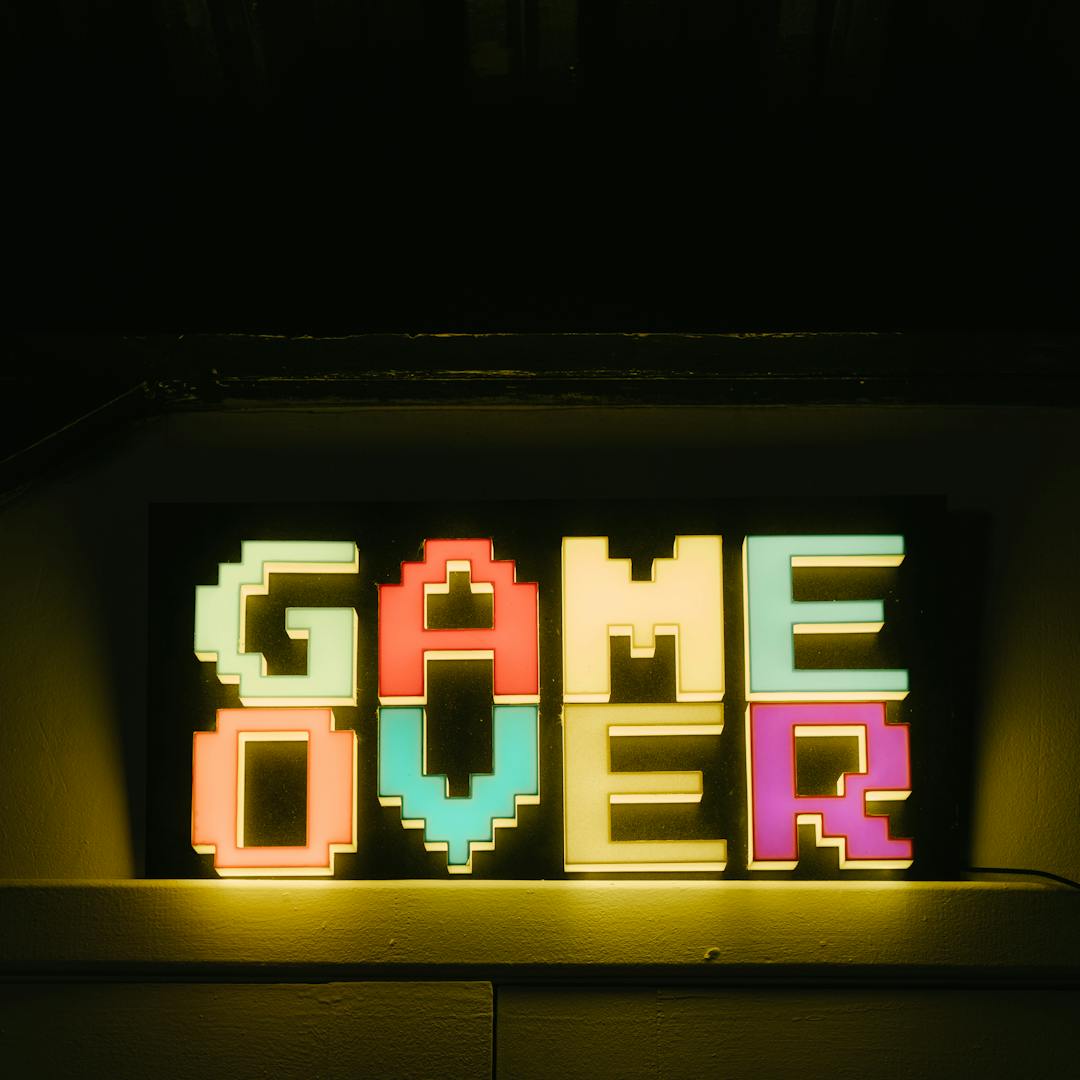
The Constraints That Made the Style
An NES sprite was 8x8 pixels by default, four colours including transparency. The Mega Drive offered more, the SNES more still, and arcade hardware of the early 1990s opened the door to genuinely fluid pixel animation. Artists became very good at suggesting form with a few well-placed dots. Capcom's 1990s output remains a masterclass in how much character a 24-pixel-tall sprite can carry.
Why Modern Pixel Art Is a Choice, Not a Limit
Today nobody is forced to draw in pixels. Engines render at any resolution, palettes are unlimited, and animation budgets are no longer measured in sprite cells. Yet pixel art keeps appearing in new releases because it solves real design problems: it reads clearly at small sizes, it ages slowly, and it carries an instant emotional shorthand for "handcrafted".
Modern Indies Carrying the Torch
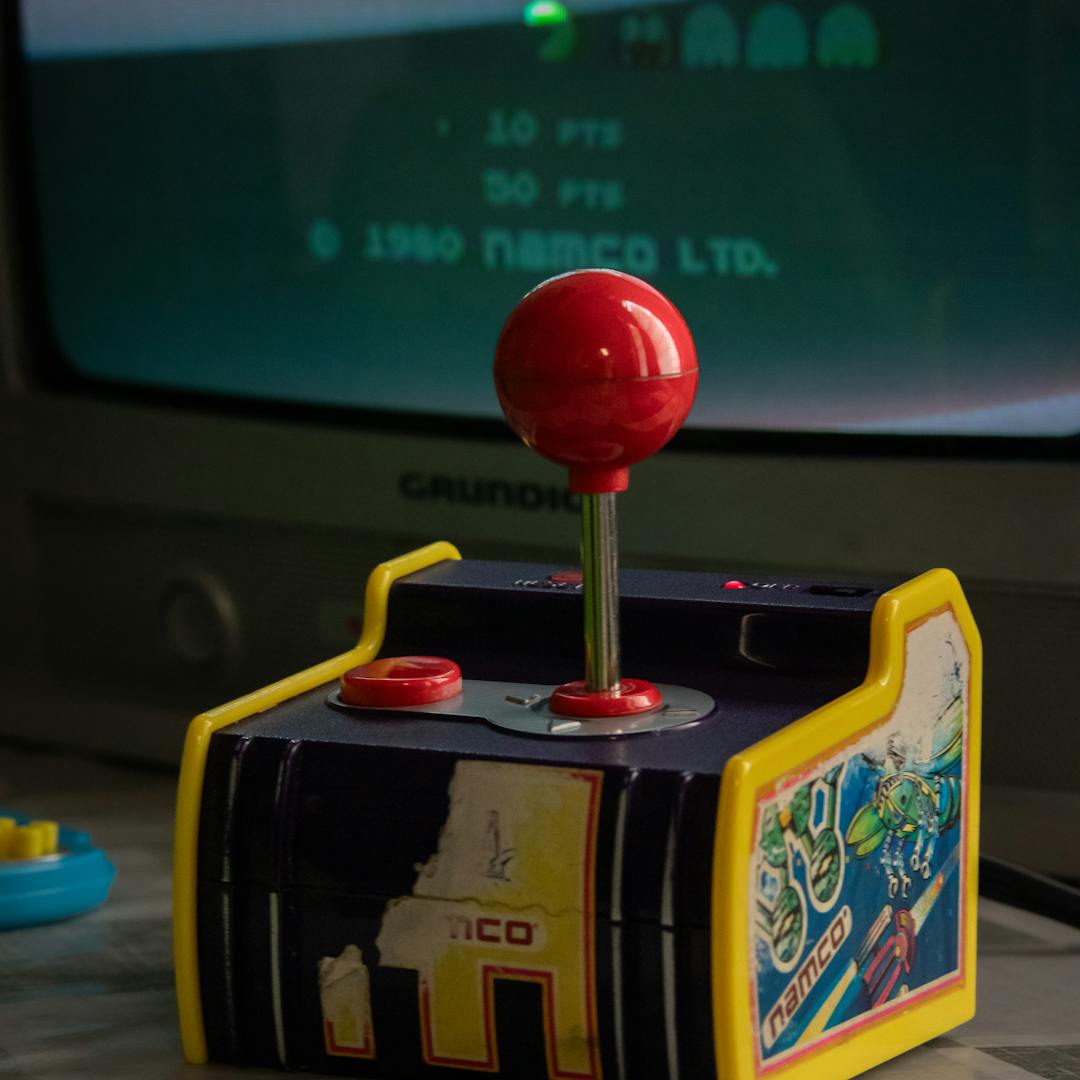
Stardew Valley, Celeste, Owlboy, Eastward, Sea of Stars in its sprite moments - each one uses pixel art not as nostalgia but as a deliberate craft choice. The pixel grid is honest in a way 3D never quite is; every shape is something a human placed on purpose. That honesty connects directly to the SNES and Mega Drive carts we sell.
The Tools Have Caught Up
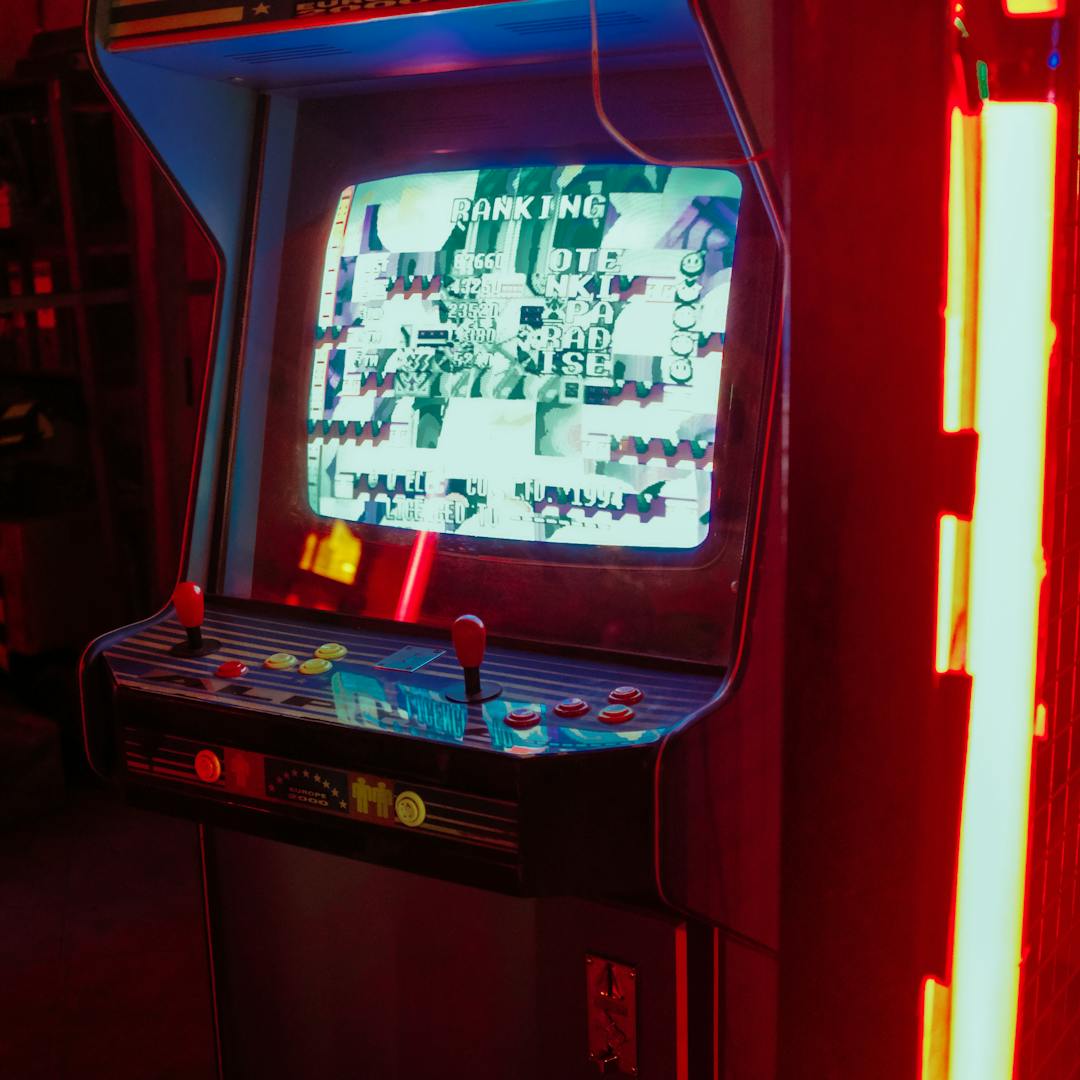
Aseprite, Pixaki and similar tools have democratised the discipline. A teenager with a tablet can now produce animation that would have required a studio team in 1994. The result is a flowering of styles - chunky four-colour homages, painterly 16-bit revivals, glossy modern sprites with subtle gradients - all alive on the same shelves.
Pixel art was never just a stopgap until 3D arrived. It is a complete medium with its own rules, history and audience. The fact that it survives without hardware forcing it to is the strongest possible proof. As long as players keep loving sharp, readable, characterful images, those little squares are going nowhere.